Inside the Porta Potty Industry: Why This Unglamorous Business Is Bigger Than You Think
Industry insight · Richmond, VA
Renting portable toilets is a large, steady business that most people only think about when they need one. IBISWorld puts the US portable toilet rental industry at about $3.3 billion in 2025. The reason is simple: every construction site, festival, wedding tent and outdoor project needs sanitation, and the people running them cannot build a bathroom in a week.
This article explains how the industry works behind the scenes, what drives demand and what it means for you when you rent in Richmond.
How Big Is It?
IBISWorld’s market-size page lists the US portable toilet rental industry at about $3.3 billion in 2025. The industry also has its own trade body, the Portable Sanitation Association International, which describes itself as the largest trade association of its kind in the world, providing education and information for the portable sanitation industry.
Those numbers describe the national picture. The local picture in a place like Richmond is built from the same pieces: construction, events and emergencies.
What Drives Demand
Construction
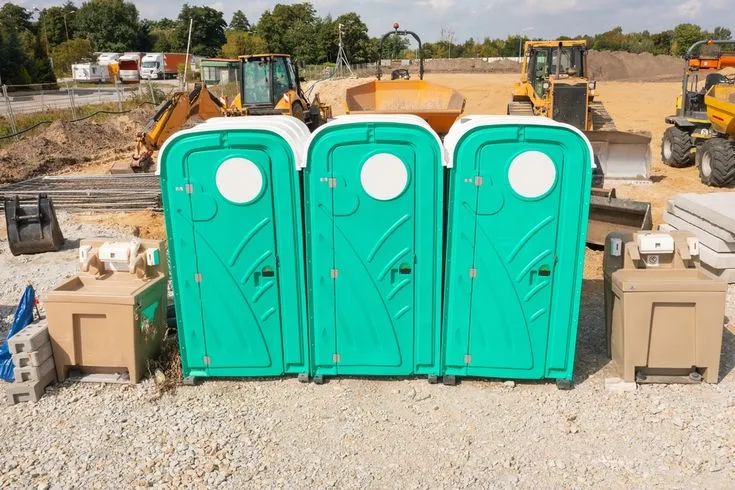
Every active job site needs toilets. OSHA requires them, and a project with no sanitation cannot keep a crew. That makes construction the steady base of the business, in good years and slow ones. See our guide for Richmond contractors.
Events
Weddings, festivals, races, school events and graduation parties create seasonal peaks. Spring and fall are the busiest in Virginia. Our event restroom planning guide shows how organizers plan the count.
Emergencies and disasters
Storms, outages and plumbing failures create sudden demand. A company that can fit a same-day request into a running route earns trust that lasts. See our emergency page.
Regulation and public health
Rules on job-site sanitation and public events turn a nice-to-have into a requirement. That is part of why the industry is steady.
How a Rental Company Actually Works
The work looks simple from the outside and has several moving parts.
- Equipment: units, handwashing stations and, for some companies, restroom trailers. Each needs cleaning, repair and replacement.
- Trucks: vacuum trucks that pump waste out and carry fresh water, plus delivery vehicles for placement and pickup.
- Routes: a daily plan of deliveries, servicing stops and pickups. Dispatch is the part customers feel most.
- Disposal: waste goes to treatment facilities, and companies have to follow the rules for hauling and disposal.
- People: drivers and service crews who are trained to place units, service them and talk to customers.
Why the Work Is Harder Than It Looks
Timing
A unit that arrives late for a wedding is a failed delivery. Dispatchers juggle windows, traffic and last-minute changes every day.
Weather
Heat, cold and storms change how units are placed, secured and serviced. See our guide to storm season planning.
Consistency
Customers judge a rental by the worst unit on the site. That means every unit, every visit, every time.
Local knowledge
Knowing which gate is open, which street is closed and which venue has a hidden service entrance is the difference between a smooth day and a bad one. See our team page.
The Types of Units
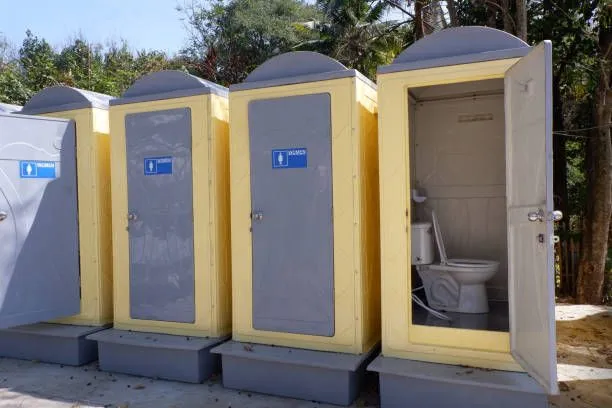
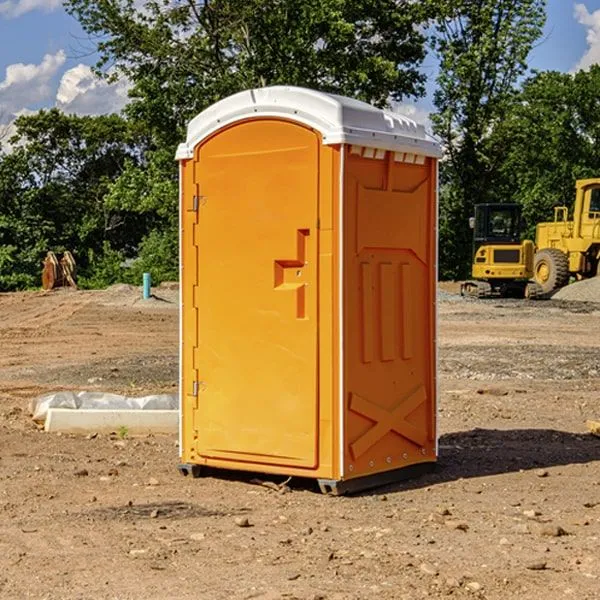
- Standard units are the workhorse for job sites and events. See standard porta potty rental.
- Deluxe units add a flush and a sink. See deluxe units.
- ADA-accessible units serve guests and workers with mobility needs. See ADA units.
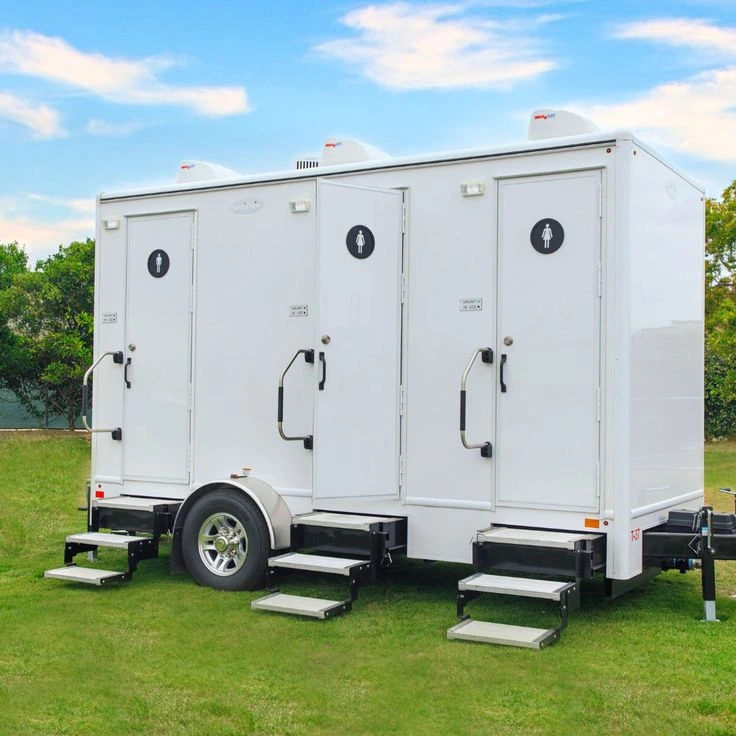
- Luxury restroom trailers deliver a full restroom experience for weddings and corporate events. See the trailer page.
- High-rise units are hoisted by crane on tall buildings. See high-rise units.
What It Means for Customers
A big industry has plenty of choices, and the choices are not all equal. Some providers run national call centers. Others are local operations with their own trucks and crews. The difference shows up in how fast someone answers, how reliable the servicing is and how a problem is handled.
When you compare providers, look at the same things any large buyer would look at.
- The total price and what is in it.
- The servicing schedule in writing.
- A local number and a named contact.
- The unit types on offer.
Our booking checklist lists the seven questions to ask.
Why Local Still Wins
Large national operators have scale, but a rental is a local job: a driver, a truck and a lawn in Chesterfield on a Saturday morning. Local operators can adjust a route in minutes and know the neighborhoods. For many customers, that matters more than a national brand.
The Short Version
Portable sanitation is the kind of business nobody notices until it is missing. It is large, it is steady and it depends on people doing small things right: placing a unit well, servicing it on time and answering the phone. If you are renting in Richmond, those small things are what you are really paying for.
Trends Worth Watching
Cleaner, more comfortable units
Customers expect more than they did a decade ago. Flush units, sinks, hand sanitizer and restroom trailers have moved from a luxury to a normal request for weddings and corporate events.
Better scheduling
Dispatch tools and clear delivery windows are now a basic expectation. Customers want to know when a truck will arrive and when servicing will happen.
Accessibility
Public events are expected to offer an ADA-accessible option, and organizers who skip it hear about it.
Sustainability
Water use, waste handling and the footprint of delivery trucks are getting more attention across the industry. Efficient routes help both costs and emissions.
What the Work Takes
The skills this work calls for are practical: driving a vacuum truck, placing units on awkward ground, working in heat and cold and dealing with customers in a hurry. If that sounds like you, see our careers page.
Need a quote for your Richmond date?
Tell us the date, the address and the headcount and we will price it on the call.
Call (804) 845-9160Common Questions
How big is the porta potty rental industry?
IBISWorld lists the US portable toilet rental industry at about $3.3 billion in 2025.
Why is the portable toilet business steady?
Construction sites, events and emergencies all need sanitation, and rules such as OSHA make it a requirement on job sites.
Is there a trade association for portable sanitation?
Yes. The Portable Sanitation Association International provides education and information for the industry.
What are the main costs of running a rental company?
Trucks, equipment, labor, disposal and servicing routes make up most of the work and cost.
Should I choose a local or national provider?
Either can work. A local provider usually answers faster, knows the area and can adjust a route on short notice.
Related Pages
- About us
- Meet the team
- Porta potty pricing guide
- OSHA porta potty requirements
- Compare porta potty types
Richmond’s trusted source for clean, reliable Porta Potty Rentals Richmond VA — serving job sites, weddings, and outdoor events across Richmond, Henrico, and Chesterfield with same-day delivery and honest pricing.
Quick Links
Our Services
Get In Touch
6550 Iron Bridge Rd
Richmond, VA 23234
info@portapottyrentalrichmond.net
Open 24/7 · Same-week delivery
Copyright © 2026 Porta Potty Rental Richmond. All rights reserved.
More Places We Serve
More Guides and Event Types