
Hurricane & Storm Season Restroom Planning for Richmond Events
Storm season guide · Richmond, VA
Richmond sits well inland, but the Atlantic hurricane season runs from June 1 to November 30, and the remnants of tropical systems regularly bring heavy rain, flooding and wind to central Virginia. If you run an event or a job site from late summer into fall, plan the restrooms around the weather: place units on high, firm ground, ask how they will be secured, build in a backup plan and agree on who to call before the storm arrives.
Here is a practical way to plan, step by step.
Why Storm Season Needs Its Own Restroom Plan
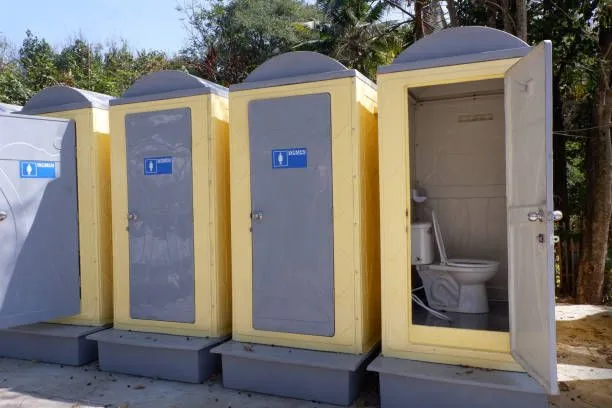
A restroom unit is a light, tall box. Wind can tip an unsecured unit, and water can flood a low spot and make a unit unusable or unsafe. Heavy rain also turns a lawn into mud, which can stop a truck from reaching the unit for servicing or pickup.
None of that is a reason to skip units. It is a reason to plan the placement and the contact list before the forecast turns.
Before the Season: What to Settle in Advance
- A backup date or rain plan for events, with a clear deadline for the go or no-go call.
- A named contact at the venue and at your rental company, with mobile numbers.
- A written delivery and pickup plan that shows how a change would be handled.
- A site walk to find low spots, drainage lines and soft ground.
Where to Place Units in Wet Weather
High, firm ground
Choose the highest and firmest spot that still works for the event. Avoid low ground, creek banks, drainage swales and places where water collects.
Away from trees and loose objects
Branches fall in storms. Keep units away from large trees, tents under tension and anything that can blow into them.
Clear truck access
Pick a spot the truck can reach on a wet day. A gravel pad or a paved edge beats a soft lawn.
A short, safe path
A lit path with solid footing matters when the ground is wet. Slippery grass is a hazard for guests.
Securing Units for Wind
Ask your provider how units are secured when high wind is in the forecast. Anchoring, ballast or placement against a wall or fence can make a difference. We will talk through the options for your site when you book.
During a Storm Watch
- Check the forecast daily in the week before the event.
- Call your rental company early, not at the last minute, if you want to move delivery or add units.
- Do not stand units in an area that has been flagged for flooding.
- Keep guests away from units if lightning is nearby.
After a Storm
When heavy rain has passed, check each unit before use. Look for tilt, water inside, a damaged door or a tank that looks too full. Call for service if anything is wrong. For an emergency, see our page on overflow emergencies and our disaster relief service.
Job Sites in Storm Season
Construction sites have extra concerns. Cleared ground, open trenches and loose materials make wind and water more dangerous. Plan unit locations as part of the site storm plan and keep them out of the lowest areas. Review the OSHA requirements so the count still meets the rule after a unit is moved or damaged.
Events in Storm Season
Weddings and large parties
A tent is not a storm shelter, and neither is a restroom. Plan an indoor backup. If you are using a restroom trailer, tell us about the ground and the access road, because a trailer needs firmer footing than a single unit.
Races and festivals
Long outdoor events need clear rules for weather delays. Agree in advance who calls a stop, how guests will be told and how the units will be handled.
What to Ask Your Rental Company
- How are units secured in high wind?
- What happens if I need to move or cancel because of weather?
- How fast can you add units or service one after a storm?
- Who do I call, and is the number answered on weekends?
- Is there a charge for rescheduling a delivery?
Our booking checklist covers the general questions, and our hurricane season page describes the service itself.
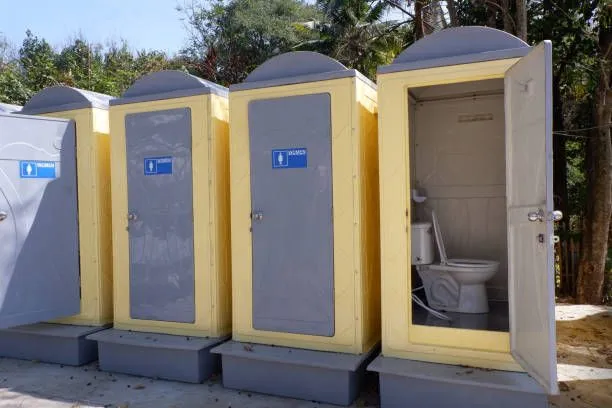
A One-Week Storm Checklist
When the forecast turns, run through this list. It takes about fifteen minutes.
- Seven days out: confirm the delivery date and the contact numbers. Walk the site and mark the highest, firmest spot.
- Three days out: check the forecast again. Decide whether the plan needs a different placement, an extra unit or a new delivery window.
- One day out: confirm with your rental company that the trucks can still reach the site and that the path is clear. Move any loose items that could blow into the units.
- Day of: look at every unit when it arrives. Check the door, the latch and the ground underneath it.
- After the weather passes: inspect each unit before anyone uses it, and report any tilt, damage or standing water.
Written down, this becomes your storm plan. It does not need to be fancy. It needs to exist before the first raindrop, and it needs to name a person with a phone who can make the call.
Need a quote for your Richmond date?
Tell us the date, the address and the headcount and we will price it on the call.
Call (804) 845-9160Common Questions
Does Richmond get hurricanes?
Richmond is inland, but remnants of tropical systems bring heavy rain, flooding and wind to central Virginia during hurricane season, which runs June 1 to November 30.
Can wind knock over a porta potty?
Yes, if it is not secured or placed well. Ask your provider how units are secured and place them away from trees and open ground.
Should I cancel my rental if a storm is forecast?
Talk to your provider early. You may be able to move the delivery, add service or change the date.
Where should I put units in wet weather?
On high, firm ground with truck access, away from low spots, trees and drainage paths.
Who do I call after a storm?
Call the number on your agreement. For an overflow or emergency, tell dispatch right away.
Related Pages
- Hurricane season porta potty rental
- Overflow emergency service
- Disaster relief restrooms
- Event restroom planning
- Luxury restroom trailer

Richmond’s trusted source for clean, reliable Porta Potty Rentals Richmond VA — serving job sites, weddings, and outdoor events across Richmond, Henrico, and Chesterfield with same-day delivery and honest pricing.
Quick Links
Our Services
Get In Touch
6550 Iron Bridge Rd
Richmond, VA 23234
info@portapottyrentalrichmond.net
Open 24/7 · Same-week delivery
Copyright © 2026 Porta Potty Rental Richmond. All rights reserved.
More Places We Serve
More Guides and Event Types